Hakuba Property Guide 2026: Areas, Land Prices and Rental Demand
An Australian's guide to Hakuba property: how Echoland, Wadano, Happo, Iwatake and Goryu differ, what Japan's official land price data shows, and how winter and green season rentals work.
8 min read · Updated 27 October 2026
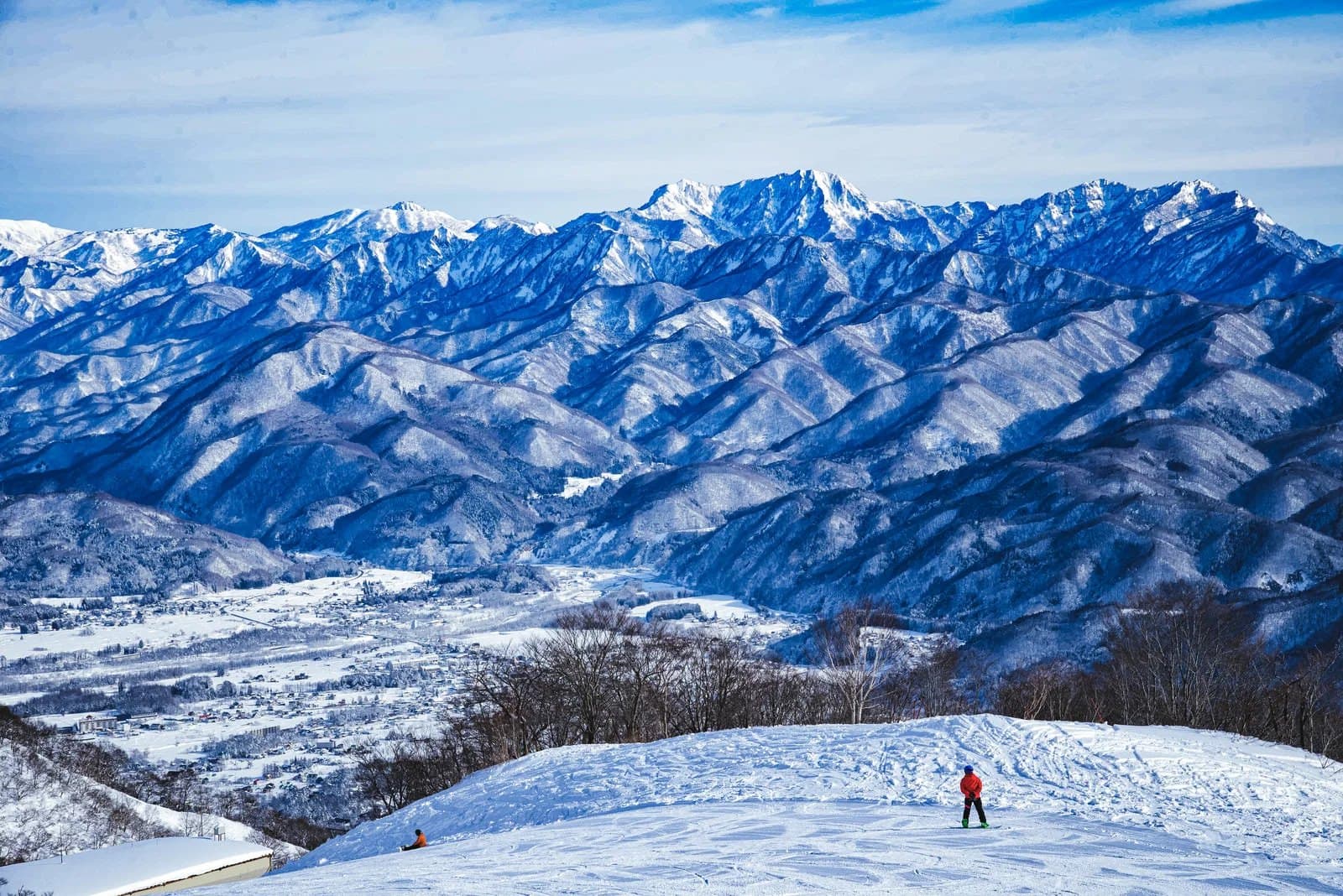
Hakuba property has become one of the most talked-about holiday home markets in Japan for Australians, and the official figures explain why. As of October 2026, Hakuba Village sits at or near the top of the national rankings for land price growth in both of the Japanese government's main land price surveys this year. This guide covers how the valley's main areas differ, what the land price data actually says, whether to buy a chalet or a block of land, and what rental demand looks like in winter and the green season.
Hakuba at a glance
Hakuba Village is in northern Nagano Prefecture, at the foot of the Northern Alps. It hosted events at the 1998 Nagano Winter Olympics, including at Happo-one, and is now the centre of Hakuba Valley, a group of ten ski resorts that market themselves together. The local destination marketing organisation, HAKUBAVALLEY TOURISM, reported about 1,925,000 visitors to those ten resorts in the 2025-26 winter season. That was up 3% and the highest in a decade. International visitors rose 17% to about 925,000, or 48% of the total.
For owners, that near even split between Japanese and international skiers matters. Demand does not rest on one source market, and Japanese weekenders help fill the weeks outside the international peaks. Hakuba has long been popular with Australian skiers, and much of that comes down to Australia's January school holidays falling in peak powder season.
The main areas for buyers
Hakuba is a valley of separate neighbourhoods, not a single resort town. Where you buy affects the kind of guests you attract, how long your rental season runs and what owning the place is like day to day.
- Echoland: a walkable strip of restaurants, bars and accommodation between Happo and the Iwatake side of the valley. In winter it is the most international part of Hakuba, and buyers often choose it so guests can walk to dinner. A wave of new chalets has gone up in the neighbouring Misorano forest area in recent years.
- Wadano: a forested area near the base of Happo-one, with larger lots, higher-end chalets and hotels. Buyers here usually pay for being close to the lifts and for a quieter, more spacious setting.
- Happo: the original village at the foot of Happo-one, with traditional lodges, onsen (hot springs), shops and the main bus links. It suits buyers who want easy ski access and a village that stays open year-round. Many of the buildings are older, which can suit renovation buyers.
- Iwatake: a family-friendly mountain with a strong green season following, close to Echoland and the Hakuba Station side of the valley. Properties here can appeal to guests who want skiing in winter and outdoor activities in summer.
- Goryu and Hakuba 47: linked ski areas further south, with more Japanese guests, mostly on weekends. Prices have generally been lower than in the Happo and Echoland core, and you will want a car for daily life.
Beyond these core areas, the wider Hakuba Valley takes in Otari and Omachi, where property is usually cheaper but further from the busiest lift systems. If you are weighing Hakuba against Japan's other ski markets, our article on Hakuba, Niseko and Furano compares them side by side.
What the official land price data shows
Japan publishes two annual government land price surveys. The chika koji (official land price publication) values land as at 1 January. The Ministry of Land, Infrastructure, Transport and Tourism (MLIT) releases it in March. The todofuken chika chosa (prefectural land price survey) values land as at 1 July and is released in September. The two surveys use different survey points, so compare their figures side by side and do not average them together.
- Chika koji 2026 (1 January 2026): residential point Hakuba-1 was valued at ¥27,400 per square metre (about AU$248). That was up 33.0%, the fastest residential growth in Japan, after a 29.6% rise the year before.
- Chika koji 2026: a commercial point in Hakuba was valued at ¥40,300 per square metre (about AU$365), up 35.2% and third in Japan for commercial growth.
- Chika koji 2026: across all residential points in Hakuba Village, the average change was 22.8%, up from 19.8% the year before.
- Prefectural survey 2026 (1 July 2026, published September): residential point Hakuba-2 was valued at ¥17,600 per square metre (about AU$159), up 31.3% and second in Japan. A commercial point was valued at ¥32,000 per square metre (about AU$290), up 35.6% and first in Japan.
The reasons MLIT gives are worth reading closely. It cites demand for villas and condominiums from wealthy Japanese and foreign buyers, money flowing in from both inside and outside Japan, and strong demand for hotel and shop sites as visitor numbers grow. In the September survey, MLIT added that this demand has spread into existing residential areas as well as the resort core. That is useful to know if you are looking at fringe areas or older homes.
Two cautions. First, each survey point is a single site, not an index of every property in the valley. A 33% rise at one point does not mean every Hakuba block rose 33%. Second, even after several years of growth, the official values per square metre are modest by Australian standards. That is part of the appeal, but strong recent growth does not guarantee more growth, and prices in a resort market can stall if visitor numbers or financing conditions change.
Yen figures in this article are converted at about ¥110.491 per AUD (13 October 2026). The exchange rate moves daily, so treat AUD amounts as approximate.
Chalets versus land
Most Hakuba buyers face the same early decision: buy an existing chalet or house, or buy land and build. Neither is automatically better.
- Existing chalet: you can use it or rent it out from the first season. Before you commit, you can inspect the building and check running costs and any rental history. The trade-off is that you are buying someone else's layout, and older Japanese houses may need insulation, heating or plumbing upgrades before they suit winter guests.
- Land: you choose the site, orientation and design, and you can build for the rental market you want to target. The catch is that you are running a construction project from Australia. You will need a local architect and builder, a design that handles heavy snow loads, confirmed water and sewer or septic connections, and time for approvals and construction before any rental income arrives.
- Renovation: buying an older house in Happo, Goryu or the fringe areas and upgrading it falls between the two options and can be a cheaper way into the market.
For a sense of asking prices, look at the listings for sale on 13 October 2026 in the Nagano Highlands, which covers Tateshina and Yatsugatake as well as Hakuba. It included 36 houses with a median asking price of ¥28,500,000 (about AU$258,000), ranging from ¥3,500,000 to ¥325,000,000. There were two apartment listings with a median of ¥57,000,000 (about AU$516,000) and two land listings with a median of ¥5,000,000 (about AU$45,000). The category covers several areas, and the apartment and land figures come from only two listings each, so treat these numbers as a snapshot, not a Hakuba price benchmark. You can browse current listings, from ¥50 million, on our Nagano Highlands listings page.
Whichever route you take, budget for acquisition taxes, registration, agency fees and annual fixed asset tax on top of the purchase price. Our guide to what it really costs explains each of these.
Rental demand: winter and the green season
Winter drives Hakuba's rental market. The ski season runs roughly from early December into April (Happo-one's 2025-26 season ended on 19 April), with the busiest period from mid-December to March. Demand peaks around Christmas, New Year, Chinese New Year and the Australian January holidays. The 2025-26 visitor numbers above show demand is still growing, especially from international guests.
The green season, from spring to autumn, is smaller but no longer an afterthought. The company that runs Hakuba Iwatake reported about 255,000 green season visitors in 2024, its fourth record year in a row, partly thanks to events such as the HAKUBA YAHHO! FESTIVAL. That figure covers one resort, not the whole valley. HAKUBAVALLEY TOURISM itself names seasonal demand as one of its challenges, alongside labour shortages and traffic. Base your numbers on winter. Treat summer income as a bonus that will depend on where your property is and how well it suits hikers, cyclists and families.
The rules on short-term rentals
How you can rent your property depends on the licence it operates under. The jutaku shukuhaku jigyo ho (Private Lodging Business Act, often called the minpaku law) lets a registered house take paying guests for up to 180 nights a year. The year runs from noon on 1 April to noon on 1 April the following year, and each night counts as one day. MLIT notes that local ordinances can add limits on where and when minpaku can operate. Properties that rent year-round usually hold a licence under the ryokan gyoho (Inns and Hotels Act) instead, which has stricter building and fire requirements.
The practical point for overseas owners: if you will not be living in the property while it is let, MLIT requires you to hand its operation to a registered private lodging administrator. In Hakuba that usually means appointing a local property management company. Hakuba Village has also introduced its own accommodation tax on overnight guests, with the amount banded by room rate. The tax is collected by the operator of the accommodation, who is legally the 'special collector'. That means the licensed or registered operator, which may be you rather than your manager. The operator collects the tax from guests, then files and pays it to Hakuba Village together with Nagano Prefecture's accommodation tax. Check the current rates and procedures with the village office. Our article on owning from 8,000 km away explains how remote ownership works in practice.
Questions to settle before you buy
- What licence does the property hold now, and can it be transferred to you or reapplied for under your ownership?
- Do the zoning and any local ordinances allow the type of rental you have in mind?
- For land: are water, sewer or septic, and road access already in place? What limits apply to site coverage and building height?
- What will snow clearing, heating and winter maintenance cost each year?
- How will you fund the purchase from Australia, and how will you handle tax in both countries? See how Australians pay for it.
Before you sign the sale contract, the agent must give you the juyo jiko setsumei (the important matters explanation) in writing. This legally required disclosure covers zoning, title, access, utilities and building restrictions. Ask for it early and have it translated, so you can raise questions while you can still walk away.
Your next step
If Hakuba is on your shortlist, start with our Nagano Highlands listings. Prices are converted to AUD daily, so you can check them against your budget. When a property stands out, send an enquiry about that listing and ask about its licence status, condition and running costs. If you are still choosing between a chalet, land or a different ski area, book a free call. JPRESORT is operated by LIFESEEDS Co., Ltd., a licensed real estate agency in Tokyo, and a short call is the quickest way to work out which part of the valley suits your plans.
Frequently asked questions
+Can Australians buy property in Hakuba?
Yes. Foreigners, including Australians, buy houses and land in Hakuba and receive the same kind of title as Japanese buyers. You will need to sort out how to move funds from Australia, and most overseas owners also appoint someone locally to handle tax and property management. Our guide on whether Australians can buy property in Japan covers the details.
+How much have Hakuba land prices risen?
In MLIT's 2026 official land price publication, residential point Hakuba-1 rose 33.0% to ¥27,400 per square metre, the fastest residential growth in Japan. The village's residential average rose 22.8%. In the September 2026 prefectural survey, residential point Hakuba-2 rose 31.3%. These are individual survey points and do not tell you what any particular property is worth.
+Can I rent my Hakuba chalet to holiday guests?
Yes, as long as the property is properly registered or licensed. Under the Private Lodging Business Act, a house can be rented out for up to 180 nights a year. An owner who is not living there must hand its operation to a registered administrator. To rent beyond the 180-night cap, the usual alternative is to obtain permission under the Inns and Hotels Act, which does not limit the number of operating days.
+Is Hakuba only worth owning in winter?
Most rental income comes in winter, but the green season is growing. Hakuba Iwatake reported a record of about 255,000 green season visitors in 2024. Many owners also use their property themselves in spring and autumn, when the valley is quieter.
+Is it better to buy land or an existing chalet in Hakuba?
An existing chalet can earn income from the first season, and you can inspect it before you buy. Land gives you more control over the design, but you will be managing a build from overseas, including snow-load design, services and approvals. That is why many first-time Australian buyers start with an existing property.
Looking in Nagano Highlands? Tell us what you need
We search beyond our listings, including properties that are not advertised. Or book a 15–30 minute video call in English, at an Australian-friendly time. No obligation.
Sources
- MLIT - 2026 official land price publication (chika koji) announcement, 18 March 2026
- MLIT - 2026 prefectural land price survey (todofuken chika chosa) announcement, 16 September 2026
- Travel Voice - Visitors to 10 Hakuba Valley ski resorts reached 1.9 million in the 2025-2026 winter season
- Hakuba Valley - Happo-one end of the 2025-2026 ski season notice
- Hotelbank - Hakuba Iwatake Mountain Resort visitor figures
- Japan Tourism Agency / MLIT - What is Private Lodging?
- Japan Tourism Agency / MLIT - Private Lodging FAQ
- Nagano Prefecture - Accommodation tax guide and forms
- e-Gov Law Search - Real Estate Brokerage Act (Takuchi Tatemono Torihikigyo Ho), Article 35
This article is general information, not legal, tax or financial advice. Obtain your own advice from qualified professionals in Japan and Australia before acting on it.
Property for sale in Nagano Highlands — Hakuba, Tateshina & Yatsugatake
See all →Saku, Nagano
Nagano · Commercial building
Chino, Nagano
Tateshina & Chino, Nagano · House
Chino, Nagano
Tateshina & Chino, Nagano · House


