Niseko Property for Sale: Hirafu, Hanazono, Annupuri and Kutchan Guide
A practical October 2026 guide to Niseko property for sale: how the villages differ, what land and houses cost, how holiday rentals are licensed and taxed, and Kutchan's zoning and water rules.
8 min read · Updated 15 October 2026
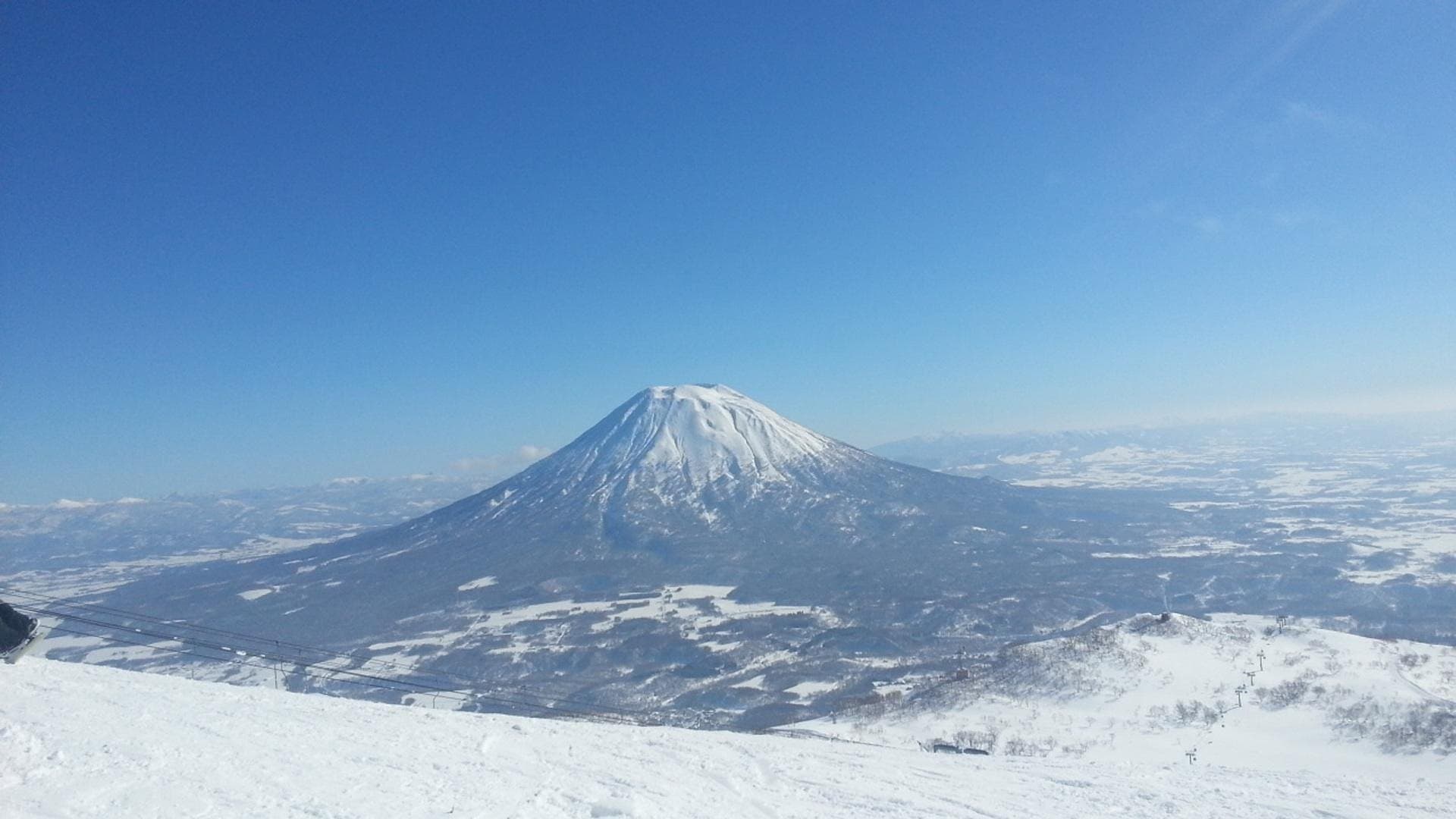
If you are searching for Niseko property for sale from Australia, it helps to know that "Niseko" is not one town. The ski area around Mt Niseko Annupuri covers two municipalities. Kutchan town includes Hirafu and Hanazono, plus Kutchan's own town centre. Niseko town includes Annupuri and Niseko Village (Moiwa sits nearby). Each has its own council, its own rules and its own taxes, and that affects what you pay, what you can build and how you can rent the property out. This guide sets out how things stand as of October 2026.
The villages at a glance
- Hirafu (Kutchan town): the largest and busiest village, with the most restaurants, bars and managed apartments within walking distance of the lifts. Upper Hirafu is near the slopes. Lower Hirafu has more detached chalets and land, and is cheaper per square metre.
- Hanazono (Kutchan town): on the north-east side of the mountain. It is built around a few large resort developments and is quieter than Hirafu, with low-density chalet land nearby.
- Annupuri and Niseko Village (Niseko town): on the western side, with fewer buildings and a more spread-out, rural feel. Buyers who want space and privacy over nightlife often look here.
- Kutchan town centre: a working country town about 10 minutes' drive from Hirafu, with supermarkets, the hospital and the JR station. Ordinary residential houses here cost a fraction of resort prices, and staff accommodation is in high demand.
For how Niseko compares with Hakuba and Furano as a lifestyle and investment choice, see our Hakuba, Niseko and Furano comparison.
Property types you will see
Most Niseko listings fall into four groups. First, apartments in managed resort buildings in Hirafu and Hanazono. These are usually sold with a rental management agreement already in place, so you pay strata-style management and repair reserve fees. Second, detached chalets of two to five bedrooms, many built since the 2000s for the rental market. Third, vacant land, sold either as residential plots or as larger development sites. Fourth, older Japanese houses in Kutchan town and the surrounding farmland, which sit outside the resort price bracket but are usually not designed for winter guests.
Japanese buildings lose value differently from Australian ones. A wooden house is treated as having a short useful life for tax purposes, and much of the price you pay in Niseko is for the land and the location. Check the year of construction and the snow-load design. Ask who clears the roof and driveway each winter and what that costs.
Price levels: Hirafu versus the rest of Kutchan
Official land values show how steep the gap is. In the Ministry of Land, Infrastructure, Transport and Tourism's 2026 chika koji (published land price, valued at 1 January 2026), the standard residential point in Niseko Hirafu was ¥200,000 per square metre, up 10.5% on the previous year. That is roughly AU$1,810 per square metre at ¥110.491 to the dollar. The residential points in Kutchan town centre were valued at between ¥35,000 and ¥67,000 per square metre (approximately AU$317 to AU$606), each up about 11–12%. Kutchan's central commercial point was ¥181,000 per square metre, up 16%. These point values are compiled from the official survey. Actual prices for ski-in sites and view lots in Upper Hirafu or Hanazono are often well above them.
Nationally, the 2026 survey recorded the fifth straight year of rising land prices. Ski resort areas stood out: the Ministry highlighted Hakuba village in Nagano, where the average residential price rose 22.8% on demand for holiday homes and condominiums. Niseko is part of the same trend, driven by both overseas and domestic buyers. If your budget does not reach Hirafu, neighbouring towns such as Rankoshi, Makkari and Kimobetsu sit within driving distance of the lifts. Their land is generally much cheaper, but they have far fewer services and rental guests.
JPRESORT's current listings in Hokkaido (Niseko and Furano) include four houses, with a median asking price of ¥102,500,000 (approximately AU$928,000). Prices range from ¥90,000,000 to ¥330,000,000 (approximately AU$815,000 to AU$2.99 million). The average land area is 367 square metres and the average floor area is 156 square metres. You can browse them on our Hokkaido area page.
AUD figures in this article are approximate, converted at ¥110.491 per AUD (13 October 2026). Exchange rates move, so a property's AUD price can change even when the yen price does not.
The rental market: licences, seasons and taxes
Many Australians plan to cover part of their costs by renting the property out when they are not using it. Under Japanese law there are three main ways to run short-term rentals. The first is a notification under the Private Lodging Business Act, known as minpaku. The second is a licence under the Hotel Business Act (ryokan gyoho). The third is certification in a National Strategic Special Zone. Minpaku is capped at 180 nights per year, local ordinances can restrict it further, and absent owners must appoint a registered management company. Because of that cap, most professionally managed resort rentals in Niseko operate under a Hotel Business Act licence. Before you buy, check what licence the property currently holds and whether it transfers to you.
Demand is highly seasonal. Occupancy and nightly rates peak from mid-December to March, and the Christmas and Chinese New Year weeks matter most. Summer demand from golf, hiking and rafting has grown but is lower. Any rental forecast should be built on the property's actual booking history and the manager's fee structure, not a headline yield.
Guests pay accommodation taxes, but owners and managers have to collect and report them. Kutchan introduced Japan's first percentage-based accommodation tax in November 2019, at 2% of the room charge. Hokkaido's own prefectural accommodation tax, charged per person per night in tiers based on the room rate, began on 1 April 2026. Kutchan amended its ordinance on 23 June 2025 so that, for stays from 1 April 2026, the town collects the Hokkaido tax on the prefecture's behalf as part of a single combined charge of 3% of the accommodation charge: operators collect 3% from guests and file and pay it to the town's tax division, which calculates the Hokkaido share and pays it to Hokkaido. Niseko town has announced a plan to move from a tiered fixed-amount tax to the same 3% percentage rate, targeting November 2026. Confirm the current rate with the town or your manager before you price a booking.
For the full list of running costs, including fixed asset tax, management and utilities, read what owning in Japan really costs.
Zoning and landscape rules in Kutchan
Hirafu and the surrounding resort land fall within Kutchan's landscape district. The town's Landscape District Ordinance Enforcement Regulations took effect on 1 October 2023 and set a review process tied to project size. A building taller than 15 metres, or one with more than 1,000 square metres of floor area or a floor area ratio above 150%, triggers a briefing for local residents. Buildings over 3,000 square metres of floor area or 15 metres in height go to a landscape design council for review, as does development over 30,000 square metres. Development covered by the district's development permit system must be free of utility poles, meaning no new overhead lines, although work that requires a building confirmation application is excluded. Ground-level electrical equipment must be screened from main roads.
The town's planning page divides the mainly resort area into 17 landscape districts, including village, roadside and conservation districts. From 1 March 2026 the town partly revised its quasi-city planning area, enlarging the Centre Village landscape district in Hirafu, and it has also partly changed the building standards that apply in the Centre Village district. Height and design limits vary from district to district and parcel to parcel. If you are buying land to build on, get the zoning confirmed for that lot by the town's planning section, and have it set out in writing before you sign.
Water rules: why they matter in Niseko
Water is a real planning issue here because the area's supply comes largely from springs and groundwater. Three sets of rules are relevant.
- Hokkaido Water Resource Conservation Ordinance (2012): if land lies in a designated water resource conservation zone, the seller must notify the authorities at least three months before signing the transfer contract, whatever the size of the land. Kutchan is one of the towns where this notification goes to the town office rather than the prefecture's regional bureau. Check the prefecture's zone list for the specific lot.
- Niseko town (April 2011): a Water Source Protection Ordinance controls development in water source protection areas designated by the town, and a Groundwater Conservation Ordinance regulates large-volume groundwater extraction. These are Niseko town ordinances, so they apply in Annupuri and Niseko Village, not in Kutchan.
- Kutchan town: its Environmental Basic Ordinance (2006) commits the town to protecting water sources and keeping a safe water environment.
In practice, ask whether the property is connected to town water and sewerage or relies on a private well and septic system. If it uses a well, ask for its permits, depth and water test results. These points should appear in the juyo jiko setsumei (the important matters explanation), which a licensed agent must give you before the contract. Rural lots in Annupuri or on the edge of Hirafu are the ones most likely to need extra checks.
Access and the longer-term picture
Most Australian owners fly into New Chitose Airport and transfer by road, which takes about two to three hours depending on snow. The Hokkaido Shinkansen extension to Sapporo will add a station at Kutchan. However, the line will not be finished by the original end-of-FY2030 target, and the current outlook is the late 2030s. Treat the bullet train as a long-term benefit, not a reason to pay a premium today.
Foreigners, including Australians, can buy freehold land and buildings in Japan without residency. Our guide on whether Australians can buy property in Japan explains the process. If you will mostly be away from the property, owning from 8,000 km away covers managers, bills and winter maintenance.
What to do next
Start by deciding which kind of Niseko suits you: walkable Hirafu with strong rental demand, quieter Hanazono or Annupuri, or the lower entry prices of Kutchan town and the neighbouring areas. Then look at real listings with yen and AUD prices side by side on our Hokkaido (Niseko, Furano) page, or browse all properties to compare Niseko with resort areas closer to Tokyo.
If a specific property interests you, send an enquiry and we can request its licence status, water and sewer details and zoning from the seller's side before you spend money on due diligence. If you are still weighing up areas or budgets, book a free call with LIFESEEDS, the licensed Tokyo agency that runs JPRESORT, to talk through the buying process from Australia.
Frequently asked questions
+Is Niseko in Kutchan or Niseko town?
Both. Hirafu and Hanazono are in Kutchan town, while Annupuri and Niseko Village are in Niseko town. The difference matters because each town runs its own accommodation tax and landscape rules, and Niseko town also has its own Water Source Protection and Groundwater Conservation Ordinances.
+How much does a house in Niseko cost in 2026?
Prices vary widely by village and distance to the lifts. Houses near the Hirafu lifts often list for ¥100 million or more, while homes in Kutchan town and neighbouring villages cost far less. Officially surveyed residential land in Hirafu was valued at ¥200,000 per square metre in 2026, against ¥35,000–67,000 in Kutchan town centre.
+Can I rent out my Niseko property when I'm not using it?
Yes, but it needs the right licence. A minpaku notification limits you to 180 nights a year, so most managed resort rentals operate under a Hotel Business Act licence instead. Check what licence the property has and whether it transfers before you buy.
+What accommodation taxes apply in Niseko?
Kutchan charges a percentage of the room rate: 2% for stays up to 31 March 2026, and 3% in total for stays from 1 April 2026. Hokkaido's prefectural accommodation tax comes out of that 3%, with the town keeping the rest, so it is not charged on top. Elsewhere in Hokkaido, the prefecture has charged its own per-person, per-night tax since 1 April 2026. Niseko town plans to switch to the same 3% percentage rate from November 2026, so confirm current rates with your rental manager.
+Do water rules affect buying land in Niseko?
They can. If land sits in a designated Hokkaido water resource conservation zone, the seller must notify the authorities three months before signing the contract. Within Niseko town, the town also regulates development near water sources and large-volume groundwater extraction, so check the water supply arrangements for any lot you are considering.
Looking in Hokkaido? Tell us what you need
We search beyond our listings, including properties that are not advertised. Or book a 15–30 minute video call in English, at an Australian-friendly time. No obligation.
Sources
- Kutchan land prices 2026 (compiled from MLIT chika koji)
- MLIT: Reiwa 8 (2026) land price publication
- Japan Tourism Agency minpaku portal: overview of the system
- Travel Voice: How should a Japanese local government acquire financial resources for a long-term tourism plan?
- Hokkaido Shimbun: Niseko town to switch accommodation tax to fixed rate, matching Kutchan's 3%
- Hokkaido Government: Accommodation Tax from April 1, 2026
- Kutchan Town: Accommodation tax (Hokkaido accommodation tax collected by the town from April 2026)
- Kutchan Town Landscape District Ordinance Enforcement Regulations
- Kutchan Town: Quasi-city planning area, landscape district and special use restriction area
- Hokkaido Government: Notification within the water resource conservation zones
- Hokkaido Government: Water resource conservation ordinance
- Ministry of the Environment: Hokkaido spring water and groundwater ordinances
- Powderlife: Getting to Niseko
- Railway Gazette: Delays and demographic dilemmas hinder Hokkaido Shinkansen ambition
This article is general information, not legal, tax or financial advice. Obtain your own advice from qualified professionals in Japan and Australia before acting on it.
Property for sale in Hokkaido — Niseko & Furano
See all →Niseko, Hokkaido
Niseko & Kutchan, Hokkaido · House
Niseko, Hokkaido
Niseko & Kutchan, Hokkaido · House
Niseko, Hokkaido
Niseko & Kutchan, Hokkaido · House


